Is the Acure brand vegan & cruelty free? Are they ethical? Do they test on animals?
| 🏷 BRAND | Acure |
| 🛒 SOLD AT | Amazon, Target, Wal-Mart |
| 🌱 VEGAN PRODUCTS | Yes |
| 💯% FULLY VEGAN BRAND | Yes |
| 🐰 CRUELTY FREE BRAND | Yes |
| 🔍 CERTIFIED BY | Leaping Bunny |
| 💼 PARENT COMPANY | Better Planet Brands, LLC |
| ✨ BRAND FREE FROM | Parabens, Sulfates, Formaldehyde |
| 🌿 ORGANIC | Yes |
| 🚜 NON-GMO | Yes |
| 🌍 ECO FRIENDLY ACTIONS | PCR plastic, FSC-certified paper, Recyclable/compostable packaging, TerraCycle partner, Climate Neutral Certified |
| 🦧 PALM OIL FREE BRAND | ❗Some Palm Oil Products |
| 📍 BASED IN | Florida, USA |
| customerservice@acure.com | |
| 📞 PHONE | (877) 902-2873 |
| 📝 ALTERNATIVE CONTACT | Contact Form |

All the info on products and brands every ethical consumer wants to know…
A warning before you buy personal care products that are “cruelty free” and “not tested on animals”.
Logos and labels that read “cruelty free” and not tested on animals” do not mean a product is vegan!
Even though the term “cruelty free” should mean no animals have been killed or used for the product ingredients within… it does not.
Cruelty free can still mean items contain animal ingredients and byproducts like milk, honey, keratin and more.
Here’s a list of common non-vegan ingredients in personal care products to watch out for!
So if products are cruelty free they might not be vegan. If products are vegan they might not be cruelty free.
That why it’s important to look for both “vegan” and “cruelty free” indicators. Not one or the other.
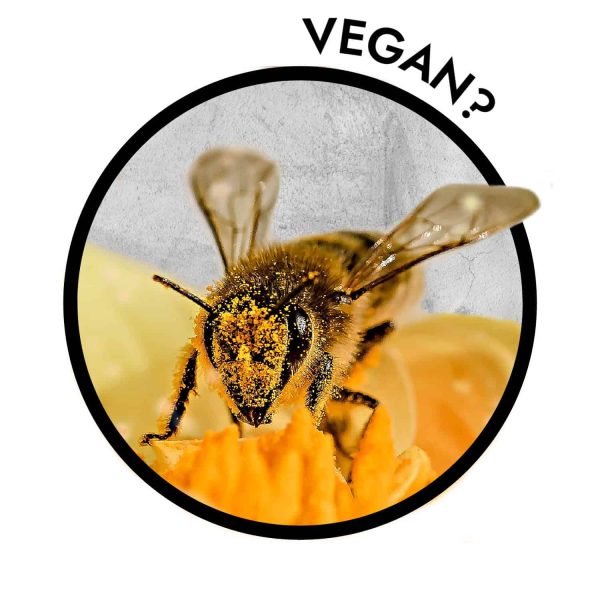
Since vegan and cruelty free are two separate things, here’s how they’re defined:
Vegan means the ingredients of a product do not come from animals.
Cruelty Free means animal testing was not conducted to find out the side effects, results and effectiveness of the final product.
Third party certifying companies like PETA, Leaping Bunny, etc approve products as cruelty free. However, their approvals only refer to animal testing…not ingredients! So cruelty free soap, shampoo, toothpaste, lotion, etc. often contain animal byproducts like beeswax, goat milk, lanolin and more.
Hmm not very cruelty free, after all!
This is confusing and misleading for ethical consumers. It gives the idea that what we’re about to buy doesn’t harm animals in any way, which is not true.
While cruelty free approval ought to include brands not using ingredients that kill or use animals in the process, there is no changing criteria for what some certifiers deem “cruelty free”.
Is testing products on animals effective?
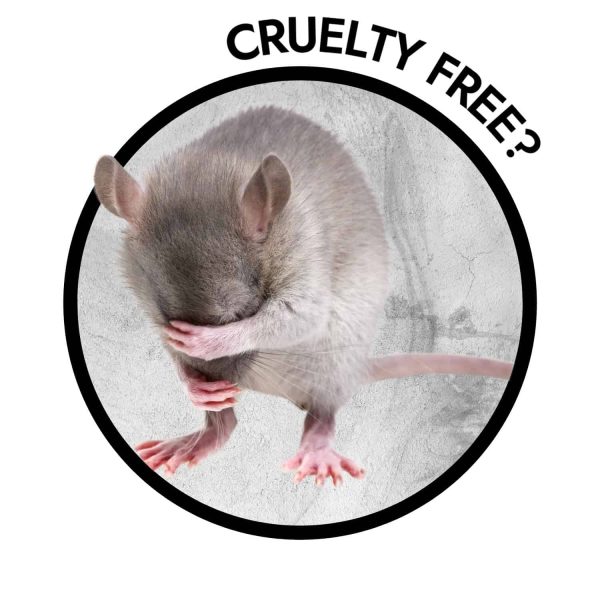
No. Testing products on animals does not show us results that will equate to humans in terms of danger and consequence of usage and exposure. Animal testing does not mean a product is safe for humans because true effects can not apply to different species.
Is testing products on humans effective?
No. Testing products on humans won’t tell us side effects of exposure when used over an extended period of time. Therefore, even testing ingredients on human subjects does not guarantee a product is safe for people.
What is the best solution to ensure products are safe for the public?
Using natural, organic ingredients is the best way to ensure the safety of products without having to test on animals or human subjects.
Parent companies -a deceptive loophole for brands to get cruelty-free certified status despite testing on animals.
Brands also mislead ethical consumers by claiming to be cruelty free while their parent companies do the animal testing. Very deceptive!
Proctor & Gamble, Johnson & Johnson and Estée Lauder are examples of parent companies that conduct animal testing. Such corporations say they don’t test on animals unless required by law which it is for them to sell their products in countries like China, Russia and Turkey among others.
It is becoming more common and trendy for big companies to market and project a brand image to the public to make us believe they are clean, green and ethical. They make statements to say they’re “working towards change” and other marketing jargon to make it seem they are ethical but do not be fooled…profit is their number one concern, not ethics. Often times large corporations are highly unethical in their production processes and will do whatever it takes to hide the truth.
There is progression, transparency and hope for animal rights and ethical consumers.
In the EU they have banned animal testing so all brands registered and operating within the European Union are cruelty free by default. However, brands from outside the EU who test on animals can still sell their products in European stores…so you do not assume anything!
Thankfully, there are resources like Cruelty Free Kitty, Conscious Bunny, Ethical Elephant to keep us informed about brand policies on animal testing with the latest up-to-date information.
Be sure to download the free ShopLogic app here. It’s updated daily and will give you all the info you need to know about brands at a glance. It’s fast, easy and organized!
Why buy cruelty free?
Rabbits, cats, guinea pigs and mice are animals commonly used in laboratory testing. They are kept in unnatural environments and must endure tests and chemical experiments. It is physically painful and stressful to these vulnerable, helpless creatures.
Ethical Consumer Tips:
- “Plant Based” does not mean vegan.
- If a brand uses the term “vegetarian” to describe their products it is another red flag because it is usually not vegan and allows for beeswax, honey, milk, lanolin and more animal ingredients.
- If a brand has a special, separate vegan category that implies other products are not vegan.
- Greenwashing is when brands make themselves look good but hide unethical aspects pertaining to sustainability, veganism, health and the like. Sadly, it’s such common practice that there is now a dedicated term for the self vindicating marketing style.
- Be skeptical of marketing strategies that use the color green on packaging or terms like eco friendly, sustainable, organic, natural that might make a brand seem ethical when they might not be.
- It’s great that many brands now offer vegan products but it’s always best to support 100% fully vegan brands that do not profit from and continue to fund animal agriculture in any way.