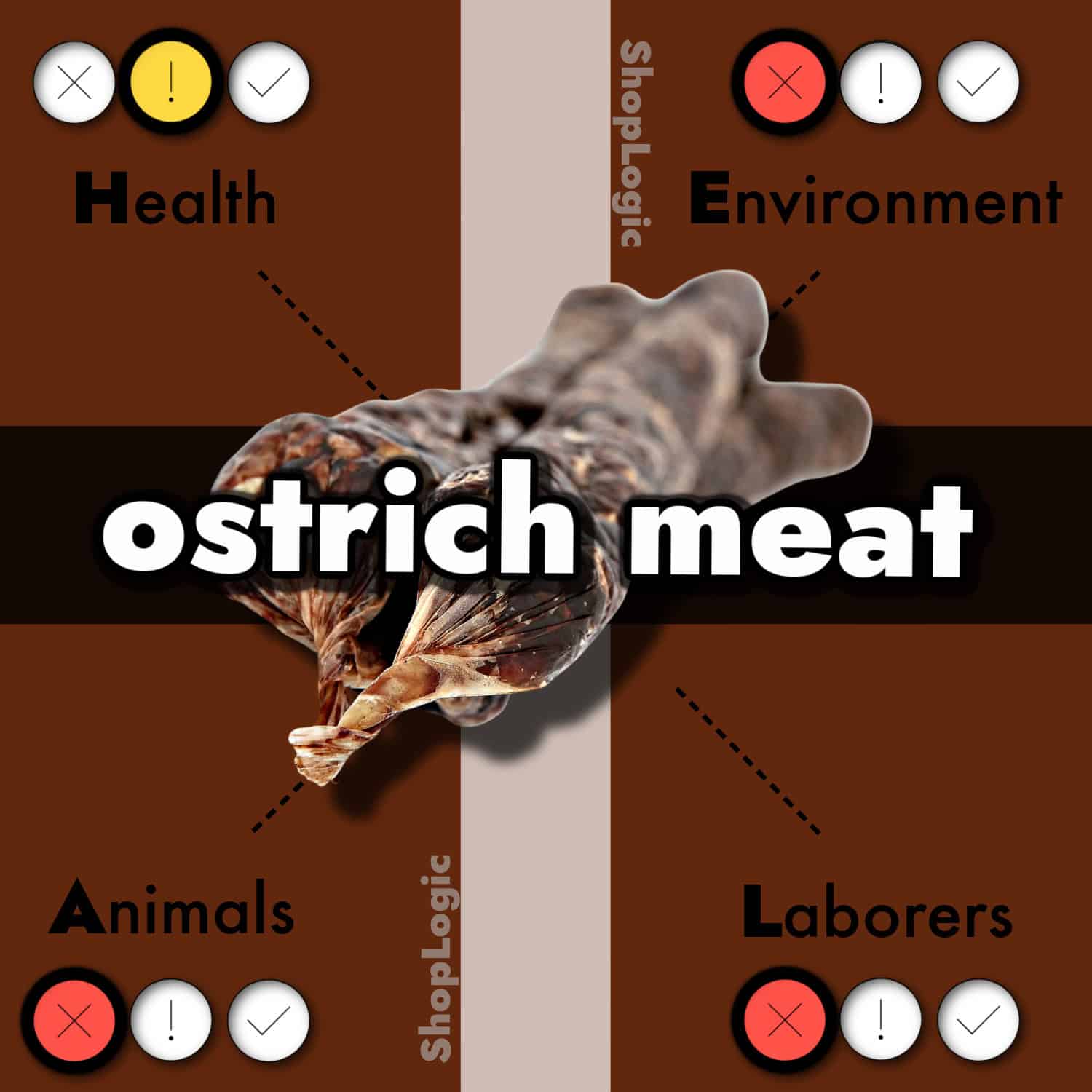
What are organ meat side effects and benefits every ethical consumer must know? Here are organ meat pros and cons and how buying them will impact your health, the environment, animals and laborers.

Food is something we consume every day. If you’re like me, you do all the research you can to make sure you don’t hurt yourself, the planet, animals or others when shopping. As an ethical consumer myself, I am giving you all the info I’ve found on organ meat benefits and side effects.
You are going to learn all about organ meat benefits and side effects. This will include organ meat benefits for your health and potential risks, organ meat water footprint and carbon footprint, sustainability, if organ meat is vegan or impact animals in other ways, and much more.
After learning if organ meat is good or bad for you, the environment, animals and human rights, you will be able to make the best choices you can the next time you buy food.
This post is all about organ meat benefits and side effects that every ethical consumer should know.
Top Organ Meat Benefits And Side Effects
HEALTH
Organ meat side effects may include:
- high cholesterol
Organ meat benefits may include:
- anemia prevention
- boosted energy
- cognitive health
- detoxification
- muscle gain
- radiant skin
- weight loss
Additionally, organ meats are…
- Acidic 6.5 pH level once digested
- Gluten Free
- Not a common Food Allergen
- Organ meats may include: liver, heart, tongue, brain, kidneys, stomach, tripe, gizzard, tail, sweetbread
ENVIRONMENT
Water footprint: high, it takes 11,155 liters of water to produce 1 kilogram of bovine offals (fresh or chilled) / 1,337 gallons of water to produce 1 pound of bovine offals (fresh or chilled) | moderate, 3,152 liters of water to produce 1 kilogram of sheep, goat, ass, mule or hinnie offals (fresh or chilled) / 378 gallons of water to produce 1 pound of sheep, goat, ass, mule or hinnie offals (fresh or chilled) | low, 1,254 liters of water to produce 1 kilogram of swine offals (fresh or chilled) / 150 gallons of water to produce 1 pound of swine offals (fresh or chilled)
Carbon footprint: high, 35.9 kg CO2e to produce 1 kilogram or 2.2 pounds of organ meats, a car driving equivalent of 82.5 miles or 133 kilometers
Destruction: high, organ meat production is relatively destructive, land usage for animal pasture, grain and forage, solid waste (excrement/manure), runoff into soil and freshwater, deforestation for feed crops, animal agriculture the leading cause of: species extinction, ocean dead zones, water pollution and habitat destruction, responsible for up to 91% of Amazon rainforest destruction
Organ meats are…
- Unsustainable
ANIMALS
Kills: various animals
Harms: various animals
Indirectly kills or harms: eco systems and wildlife
Organ meats are…
- Not Vegan
- Harmful to wildlife and ecosystems
LABORERS
Health and safety: hazardous, meat processing workers have some of the highest rates of occupational injury and illness in the USA, the work environment in processing plants is dirty, dangerous, at times machines that injure workers by crushing, amputating, burning and slicing them, workers use tools such as knives, hooks, scissors, and saws, injuries include cuts, stabs, infections, scars, scratches, missing fingers, swollen joints, working conditions are humid, slippery, loud, hot or below freezing resulting in respiratory problems, skin infections and falls, workers experience
Living conditions: poor, workers must process thousands of animals per day, they are pressured to work as fast as possible, rest breaks and bathroom breaks are discouraged or denied, many workers must wear diapers, they experience stress, physical and emotional pain
Wages: low, in the USA workers are poorly compensated and earn under $15 an hour, they are often pushed to work faster so companies can profit more
Organ meats…
- Involve worker exploitation, laborer issues, human rights concerns
What are some vegan substitutes?
Check out this Vegan Substitutes List to see alternatives for meat, dairy, eggs, fish and more.
organ meats are acidic.

Are organ meats alkaline or acidic? Organ meats are acidic. What is the pH level of organ meats? Organ meats have a 6.5 pH level once digested. Organ meats and meats are acidic food groups.
When you eat food, it breaks down to an ash residue that can be neutral, acidic or alkaline. Minerals such as potassium, calcium, magnesium, sodium, zinc, silver, copper and iron produce an alkaline ash; whereas sulfur, phosphorus, chlorine and iodine, which are in meat, coffee, dairy and alcohol, leave an acid ash.
Going alkaline easier than ever with this: Acidic and Alkaline Foods List
organ meats are gluten free.

Is organ meat gluten free? Yes, organ meat is gluten free. Organ meat does not contain gluten when unbreaded and unseasoned.
While celiac disease may not be as rampant as many marketing trends lead us to believe, you may have a gluten sensitivity…
Celiac and gluten sensitivity symptoms are similar and may include:
- recurring abdominal pain
- chronic diarrhea
- constipation
- tingling
- numbness in hands and feet
- chronic fatigue
- joint pain
- unexplained infertility
- low bone density (osteopenia or osteoporosis)
There are hundreds of potential symptoms, many of which are also symptoms of other conditions.
Going gluten-free easier than ever with this: Gluten and Gluten Free Foods List
organ meats are not a common food allergen.

Are organ meats a common food allergen? No, organ meats are not a common food allergen. Some people may experience allergic reactions to organ meats but it is relatively rare by comparison.
A group of the eight major allergenic foods, AKA the Big-8, include:
- milk
- eggs
- fish
- crustacean shellfish
- tree nuts
- peanuts
- wheat
- soybeans
These foods account for about 90% of all food allergies in the United States.
Severe food allergies can be life threatening. Following ingestion of a food allergen, a person with food allergies can experience a severe, life-threatening allergic reaction called anaphylaxis.
Persons may still be allergic to and have serious reactions to foods other than the eight foods identified by the law.
Be aware of common dietary restrictions and food allergens with this: The Big 8 Most Common Food Allergens List
organ meats have a high water footprint.

Do organ meats have a high or low water footprint? Organ meats has a relatively low water footprint compared to other foods.
What is the water footprint of organ meats? It takes 11,155 liters of water to produce 1 kilogram of bovine offals (fresh or chilled) / 1,337 gallons of water to produce 1 pound of bovine offals (fresh or chilled) | moderate, 3,152 liters of water to produce 1 kilogram of sheep, goat, ass, mule or hinnie offals (fresh or chilled) / 378 gallons of water to produce 1 pound of sheep, goat, ass, mule or hinnie offals (fresh or chilled) | low, 1,254 liters of water to produce 1 kilogram of swine offals (fresh or chilled) / 150 gallons of water to produce 1 pound of swine offals (fresh or chilled).
Did you know that water is a finite, non-renewable resource?
We need to be aware of “water footprints”. That is, the amount of fresh water utilized in the production or supply of goods we consume. As it turns out it takes significantly more water to yield foods that come from animals than foods that come from plants. Imagine how much water a cow needs to consume to generate a piece of beef. Not only how much water a single cow drinks, rather all the water that went into producing the crops that the cow ate.
Find out how much water your food consumes with this: Water Footprints of Foods and Ingredients List
organ meats have a low carbon footprint.

Does cabbage have a high or low carbon footprint? Cabbage has a relatively low carbon footprint compared to other foods.
What is the carbon footprint of cabbage? It takes around 35.9 kg CO2e to produce 1 kilogram or 2.2 pounds of organ meats, a car driving equivalent of 82.5 miles or 133 kilometers.
Food not only has a water footprint but also a carbon footprint, known as CO2e, which stands for carbon dioxide equivalent. Since carbon measurements are a bit more difficult to comprehend, it is common to equate CO2e to the distance which a car drives in miles or kilometers.
When calculating carbon emissions, some factors may include…
- farm equipment
- animal feed production
- hothouses (greenhouses)
- food processing
- packaging
- transport
- refrigeration
- freezing
- package waste and more
There are a number of steps we can take to reduce energy output. According to Oxford Martin School researchers, if the world went vegan, eliminating animal-derived products, it could reduce greenhouse gas emissions by two thirds and avoid climate damages of $1.5 trillion.
But that’s not all!
It’s best to keep the following in mind when grocery shopping:
- shopping locally reduces transportation emissions
- food without packaging reduces waste as well as the carbon footprint
- refrigerated and frozen foods increase carbon emissions
- seasonal foods reduce carbon emissions from hothouses (greenhouses)
- growing plant-based foods at home is the most environmentally sustainable method with zero carbon footprint
Find out how much carbon your food emits with this: Carbon Footprints of Foods and Ingredients List
organ meats are unsustainable.

Overall, are organ meats eco friendly? Are organ meats sustainable?
Organ meat production is unsustainable.
A 2018 Oxford University study – which is the most comprehensive analysis to date of the damage farming does to the planet – found that ‘avoiding meat and dairy is the single biggest way to reduce your impact on Earth’ as animal farming provides just 18% of calories but takes up 83% of our farmland.
Consuming animal products and byproducts is not environmentally friendly and is one of the worst things for the Earth. Not only is meat production wasteful, it causes enormous amounts of pollution. The industry is one of the biggest causes of climate change.
A 2010 United Nations report said that a global shift towards a vegan diet is vital to save the world the worst impacts of climate change.
organ meat is not vegan.

Are organ meats vegan? No, organ meats are not vegan. Organ meats are meat, the product of various animals, therefore making it an animal-derived food.
Animals of factory farming are suffering. They live in horrific conditions that often include confinement, physical abuse and unnatural environments…so much so that they need to receive antibiotics to keep from getting ill or spreading disease. Growth hormones allow all kinds of animals to become fatter faster and live short lives.
Because we cannot see for ourselves how these animals live and what they endure does not mean it isn’t happening. The meat, poultry and dairy industries do everything they can to distance us from knowing how our food comes to be in order to keep us in the dark about what we support each time we buy animal derived products and byproducts.
Go vegan for animals!
It’s the best way to help animals and it’s not as difficult as you may think. Speak for animals with your actions, for they cannot speak at all.
Going vegan is easier than ever, at a glance with this: Vegan and Non-Vegan Foods List
organ meat has labor issues and human rights concerns.

Are organ meats a product with laborer concerns? At this time there are concerns with livestock farming.
It’s important to stay aware of human rights concerns and worker exploitation that may come with specific brands. Did you know the single largest employer in the world is agriculture? The labor involved behind each and every product cannot go unrecognized.
Sadly, many labor concerns exist around the world in both developed and developing countries. We must be vigilant to ensure what we buy is not contributing to industries that are unfair to their valuable workers. Some known problems include workplace health and safety, child labor, gender inequality, inadequate pay, wage theft and exploitation. Workers can even experience harassment, humiliation and violence and unfair employers often fail to provide laborers with access to shade, drinking water, restrooms and breaks. Consequently, laborers can face nausea, dizziness, heat exhaustion, dehydration and heat stroke -the leading cause of farmworker death!
Such mistreatment is like modern day slavery. Workers are often afraid to report issues because they fear it will result in losing their jobs or deportation.
Fair trade organizations fight to ensure better social, environmental and economic standards.
We can improve people’s lives with foods we eat every day simply by buying products that are certified fair trade.
Sources:
organ meats | Health Topics | NutritionFacts.org